Hypothyroidism is a common health condition that affects many people worldwide. In this condition, the thyroid gland does not make enough hormones. These hormones help control how your body uses energy. Because of this, people with hypothyroidism may feel tired, gain weight, or feel cold. Early signs of hypothyroidism can be easy to miss. However, knowing the causes of low thyroid and the treatment options for hypothyroidism can help you manage your health better. This guide will explain what hypothyroidism is, its symptoms, causes, and how to manage it.
What Is Hypothyroidism?
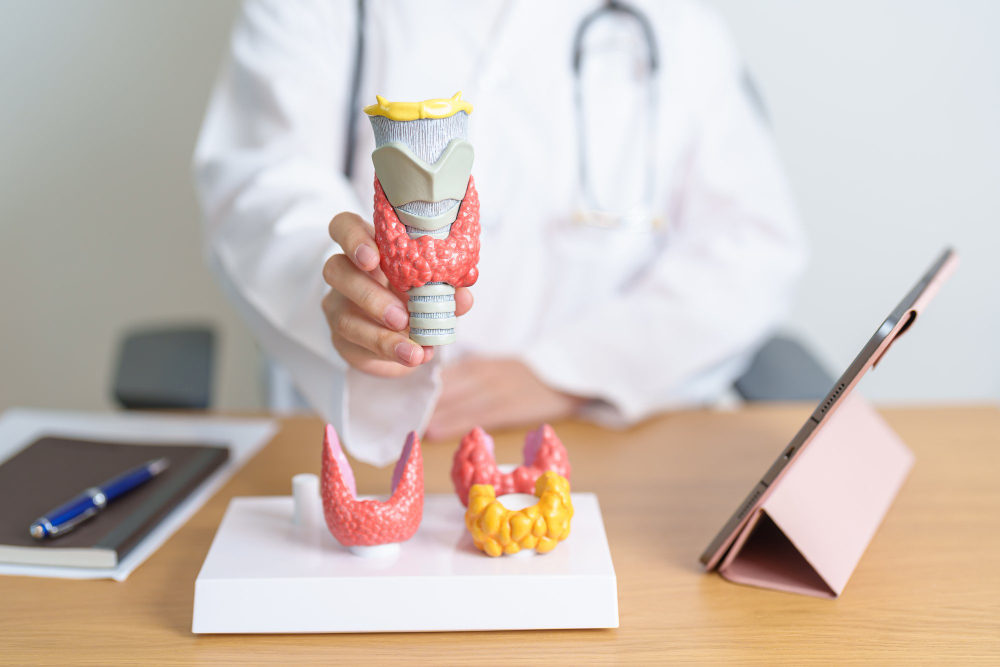
Hypothyroidism happens when your thyroid gland, a small butterfly-shaped gland in your neck, does not make enough thyroid hormones. These hormones are important for your body’s growth, energy, and metabolism. When the thyroid is underactive, your body slows down. As a result, you may notice changes in how you feel every day. The World Health Organization (WHO) and the Centers for Disease Control and Prevention (CDC) both note that hypothyroidism is more common in women and older adults. Even so, anyone can develop this condition.
Common Symptoms of Hypothyroidism
Because hypothyroidism develops slowly, you might not notice symptoms right away. Still, it is important to watch for changes. For example, you may feel more tired than usual. Below are some common signs of hypothyroidism:
Sometimes, these symptoms can be mistaken for other health issues. Therefore, it is important to talk to your doctor if you notice any of these signs.
Causes and Risk Factors
There are several causes of low thyroid. Most often, the immune system attacks the thyroid gland. This is called Hashimoto’s disease. In addition, other causes include:
Some people are more at risk than others. For instance, women and people with other autoimmune diseases are more likely to develop hypothyroidism. If you live in an area with low iodine in the soil, your risk may also be higher.
How Hypothyroidism Is Diagnosed
Doctors use simple blood tests to check for hypothyroidism. First, they measure the level of thyroid-stimulating hormone (TSH). High TSH levels often mean your thyroid is underactive. Next, your doctor may check the levels of thyroid hormones (T4 and T3). Sometimes, doctors also look for antibodies that attack the thyroid. Because symptoms can be mild, regular checkups are important, especially if you have risk factors. Early diagnosis helps prevent further health problems.
Treatment and Management Options
There are effective treatment options for hypothyroidism. Most people take a daily pill called levothyroxine. This medicine replaces the missing thyroid hormone. With the right dose, you can feel better in a few weeks. However, it is important to take your medicine as your doctor prescribes. Your doctor will check your blood levels often to make sure the dose is right. In rare cases, other treatments may be needed. For example, if you have trouble absorbing the medicine, your doctor may suggest other options. Treatment helps most people lead a normal, healthy life.
Lifestyle Tips for Living with Hypothyroidism
Along with medicine, healthy habits can help you feel your best. For instance, you can:
Because each person is different, your doctor can help you find the best plan for you.
Preventive Measures and Early Detection
While you cannot always prevent hypothyroidism, you can lower your risk. For example, eating enough iodine helps keep your thyroid healthy. In some areas, public health programs add iodine to salt to prevent thyroid problems. If you have a family history of thyroid disease, regular checkups are important. Early detection can help you avoid serious health issues. If you notice any signs of hypothyroidism consult Dr. Mohammed Ahmed Hussain.