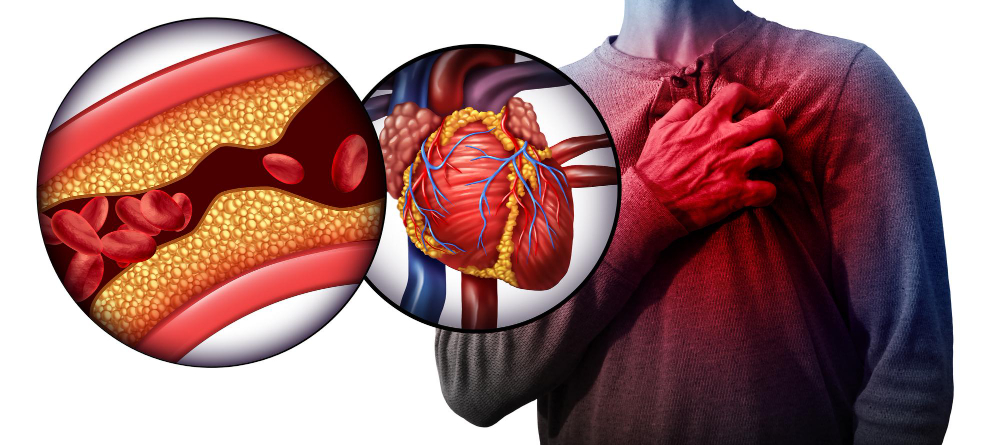
High cholesterol is a common health issue that affects many people worldwide. In simple terms, it means there is too much fat in your blood. These fats are called lipids. When your body has too many lipids, doctors call this a lipid disorder. Over time, high cholesterol can lead to serious heart health risks. For example, it can cause heart attacks or strokes. Because of this, understanding cholesterol and how it affects your heart is very important.
What Is High Cholesterol?
Cholesterol is a waxy, fat-like substance found in your blood. Your body needs some cholesterol to work well. However, too much cholesterol can be harmful. There are two main types of cholesterol:
When LDL cholesterol is high, it can build up in your arteries. This buildup is called plaque. As a result, blood flow to your heart and brain can slow down or stop. This raises your risk for heart disease and stroke.
Common Symptoms of High Cholesterol
Usually, high cholesterol does not cause any symptoms. In fact, many people do not know they have it until they get a blood test. However, over time, high cholesterol can lead to health problems. For example, it can cause chest pain or even a heart attack. Because there are no clear signs, regular check-ups are important. Early testing helps you keep your cholesterol at healthy levels.
Causes and Risk Factors for Lipid Disorders
Several things can cause high cholesterol and other lipid disorders. Some risk factors are out of your control, while others can be managed. For instance, your genes can play a big role. But, your lifestyle also matters a lot. Here are some common causes and risk factors:
Because these factors add up, it is important to know your risks and make healthy choices.
How High Cholesterol Is Diagnosed
Doctors use a simple blood test called a lipid panel to check your cholesterol levels. This test measures:
Usually, you need to fast for several hours before the test. After the results, your doctor will explain what your numbers mean. If your LDL cholesterol is high, you may need to start cholesterol management tips right away. Early diagnosis helps prevent heart disease and other problems.
Treatment Options for High Cholesterol
There are several ways to treat high cholesterol. Your doctor will choose the best plan for you. Often, lifestyle changes are the first step. Sometimes, you may also need medicine. Common treatment options include:
Because everyone is different, your treatment plan may change over time. Regular check-ups help track your progress and adjust your care as needed.
Lifestyle Changes to Manage Cholesterol
Making healthy choices can help reduce LDL cholesterol and improve your heart health. For example, you can:
Because small changes add up, start with one or two steps. Over time, these habits can help you reach healthy cholesterol levels.
Preventing High Cholesterol and Heart Disease
Prevention is key to heart disease prevention and healthy cholesterol levels. Even if you have a family history, you can lower your risk. For instance, regular health checks catch problems early. Also, following cholesterol management tips can make a big difference. Here are some ways to prevent high cholesterol:
Because prevention starts early, teach your family about heart health and healthy habits. This can help everyone lower their risk for heart disease and live a longer, healthier life.
Conclusion
If you are concerned about your cholesterol or heart health, Mohammed Ahmed Hussain is here to help. Book a consultation today to get personalized advice and support for a healthier future.