
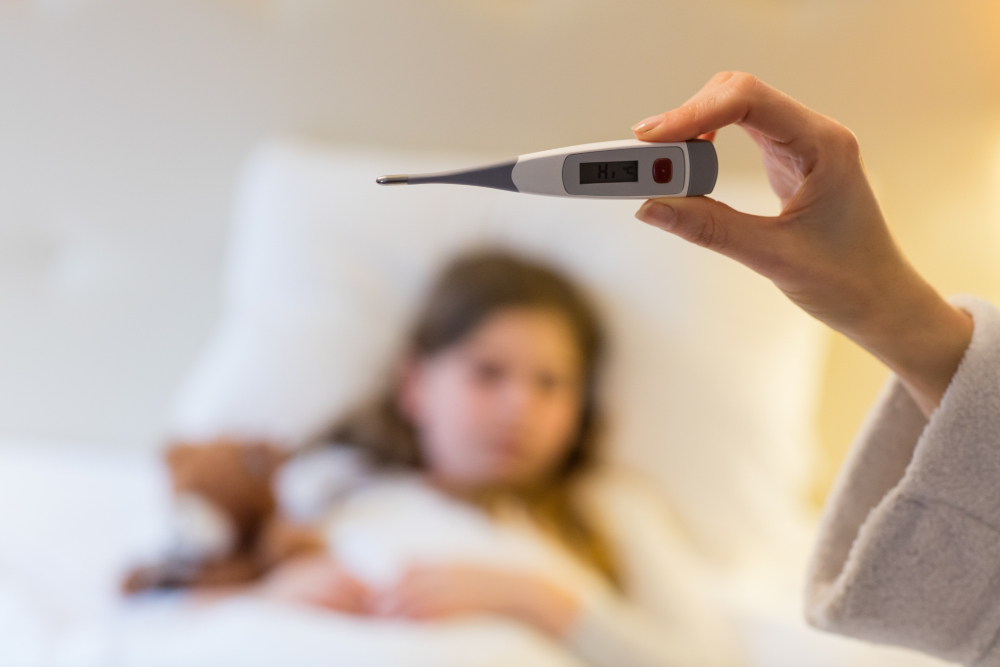
What is Dengue Fever?
Dengue Fever is a viral illness spread by mosquitoes. It is common in tropical and subtropical areas. Many people in cities and rural regions can get infected, especially during rainy seasons. The disease is caused by the dengue virus, which is carried by the Aedes mosquito. According to the World Health Organization (WHO), millions of cases occur each year worldwide. Because the symptoms can be mild or severe, it is important to know what to look for. Early awareness helps prevent complications and spread.
Common Symptoms of Dengue Fever
Recognizing dengue fever symptoms early can help you get the right care. Usually, symptoms appear four to ten days after a mosquito bite. However, not everyone will have the same signs. Some people may have mild symptoms, while others feel very sick. Watch for these common signs:
Sometimes, symptoms can get worse and lead to serious problems. For example, severe dengue can cause bleeding, organ failure, or shock. If you notice severe stomach pain, trouble breathing, or bleeding, seek medical help right away.
Causes and Transmission of Dengue Fever
Dengue fever spreads through the bite of an infected Aedes mosquito. These mosquitoes bite during the day, mostly in the early morning and late afternoon. They breed in standing water, such as buckets, flower pots, or puddles. Importantly, dengue does not spread directly from person to person. However, if a mosquito bites someone with dengue, it can then infect others. For this reason, controlling mosquitoes is key to stopping outbreaks.
How Dengue Fever is Diagnosed
Many people ask, “How is dengue diagnosed?” Doctors use your symptoms and travel history to decide if you might have dengue. However, a blood test is needed to confirm the diagnosis. This test looks for the virus or antibodies in your blood. Sometimes, more than one test is needed, especially if symptoms are unclear. Early testing helps doctors give the right care and watch for warning signs.
Treatment Options for Dengue Fever
There is no specific medicine to cure dengue fever. Instead, treatment focuses on easing symptoms and preventing complications. Most people recover at home with rest and fluids. Doctors may suggest:
In some cases, people need to stay in the hospital for close monitoring. For example, if you have severe symptoms or trouble drinking fluids, you may need extra care. Always follow your doctor’s advice and return for check-ups if symptoms change.
Prevention Tips for Dengue Fever
While there is no widely available vaccine for dengue fever in most areas, you can lower your risk with simple steps. Dengue prevention tips include:
Because mosquitoes breed quickly, everyone in the community should help reduce breeding sites. Local health departments often provide updates and advice during outbreaks. Staying informed helps protect your family and neighbors.
Lifestyle Guidance for Recovery
After dengue fever, your body needs time to heal. Even after the fever goes away, you may feel tired for several weeks. To recover well, try these tips:
With good care and rest, most people recover fully from dengue fever. However, always watch for warning signs and seek help if you feel worse. Your health and safety come first.